
Miami Lakes Veterinary Clinic
Request an Appointment

15504 NW 77th Ct

Miami Lakes, FL 33016 US

305-362-5777

Open mobile navigation
  • Home
  • New Patient Center
    • Online Forms
    • What to Expect
    • Veterinary Resources
    • Payment Options
    • Request An Appointment
  • About Us
    • Services
    • Office Tour
    • Dr. Manny Morales
    • Dr. Maria Silva
    • Ms. Cynthia Colina
    • Meet Our Team
  • Contact Us
  • Pet Portal
  • Puppy and Kitten Pack Special
  • Pet Gallery
  • Veterinary Topics
    • Pet Health
      • Chronic Conditions
      • Digestive and Oral Health
      • Diseases and Viruses
      • Pests and Parasites
      • Orthopedics
    • Today's Veterinarian
    • Choosing Your Pet
      • Finding Your Pet
      • Cats
      • Dogs
      • Exotics
        • Amphibians
        • Birds
        • Reptiles
          • Lizards
          • Turtles
      • Small Mammals
        • Ferrets
        • Rabbits
        • Domesticated Animals
          • Prairie Dogs
        • Pocket Pets
          • Chinchillas
          • Guinea Pigs
          • Hamsters
          • Hedgehogs
          • Rats
      • Livestock
        • Cows
        • Donkeys, Horses & Mules
        • Goats
        • Pigs
        • Poultry
        • Sheep
    • Living With Your Pet
      • Bringing Your Pet Home
      • Children and Pets
      • Providing Care
      • Travel
      • Saying Goodbye
    • Newsletter Library
      • Cats
      • Tips for Pet Owners
      • Behavior & Training
      • Fleas & Parasites
      • Keeping Pets Healthy
      • Recognizing Illness
      • Nutrition & Food
      • Pet Dangers
      • Seasonal Topics
      • Visiting the Vet
      • Equine
      • Newsletter Archive
        • Fun with Pets
        • Unbelievable Pets
    • Video Newsroom
      • Health Topics
      • Technology and Science
      • Other Interests
    • Newsletter Library
    • Client Survey
    • Pets4Kids
  • Shop Food & Meds
  • Home >
  • Articles >
  • Newsletter Library >
  • Recognizing Illness >
  • H1N1 or Swine Flu Virus

H1N1 or Swine Flu Virus

  • Created in Newsletter Library, Recognizing Illness
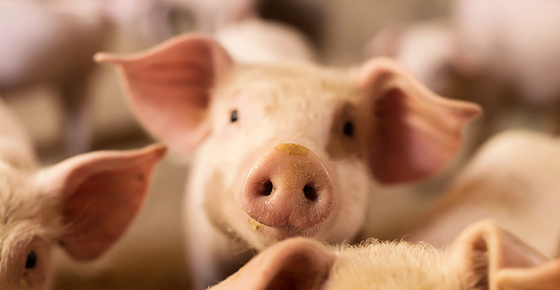
Image of swine.

The H1N1 or swine flu epidemic has many people concerned. It certainly holds the potential for severe, worldwide disease in humans. Currently, most cases in the U.S. have not been as serious as in other countries. Flu viruses commonly mutate though, and even a small mutation could increase the pathogenicity to critical levels for both animals and people.
Swine influenza virus has been found worldwide in birds, including chickens and waterfowl, humans, and pigs. It does not cause disease in dogs and cats. People that own pet pigs, including pot-bellied pigs should be concerned. As of May 2009, there have been no reports of disease in pigs in the U.S. as a result of the current outbreak, but there is one report of a person who vacationed in Mexico, returned home to their swine farm in Canada, where their pigs developed flu symptoms.

Swine influenza is a highly contagious disease spread by direct contact, airborne respiratory secretions, contaminated objects, or people moving between swine herds. Bringing home a new pig is a common cause of disease outbreak, which usually happens in one to three days. Infected pigs may shed virus for seven to ten days. A carrier state may exist for up to three months. Recovery from disease can cause a limited amount of immunity.

The influenza virus in pigs causes high levels of illness but low death rates. Symptoms include coughing, nasal discharge, labored breathing, eye discharge, fever, poor appetite, weight loss, lethargy, and abortion. Most affected pigs recover without complications in five to seven days. Some pigs may develop secondary bacterial pneumonia which increases the mortality rate.

The treatment is supportive: medications to reduce the fever, and keeping them clean and warm. Pigs with more severe disease may need IV fluids and antibiotics.There are several commercial vaccines available for influenza in swine, but none of the current vaccines are effective for this type of influenza. The virus is easily killed by disinfectants.

The best method to try to prevent influenza in your pet pig is to use management practices to decrease the chance the pig will be exposed: limiting visitors, quarantining new pigs, and disinfecting things that could be contaminated.

In summary, there are several different types of influenza viruses. Human influenza, avian flu and swine flu viruses are all closely related; each has the potential to infect one of the other species, sometimes with devastating results. This H1N1 virus from swine has mutated to make it easier to infect people. With more time we will see if it becomes more virulent in people and how significant it is in pigs.

  • Pet Health
    • Chronic Conditions
    • Digestive and Oral Health
    • Diseases and Viruses
    • Pests and Parasites
    • Orthopedics
  • Today's Veterinarian
  • Choosing Your Pet
    • Finding Your Pet
    • Cats
    • Dogs
    • Exotics
      • Amphibians
      • Birds
      • Reptiles
        • Lizards
        • Turtles
    • Small Mammals
      • Ferrets
      • Rabbits
      • Domesticated Animals
        • Prairie Dogs
      • Pocket Pets
        • Chinchillas
        • Guinea Pigs
        • Hamsters
        • Hedgehogs
        • Rats
    • Livestock
      • Cows
      • Donkeys, Horses & Mules
      • Goats
      • Pigs
      • Poultry
      • Sheep
  • Living With Your Pet
    • Bringing Your Pet Home
    • Children and Pets
    • Providing Care
    • Travel
    • Saying Goodbye
  • Newsletter Library
    • Cats
    • Tips for Pet Owners
    • Behavior & Training
    • Fleas & Parasites
    • Keeping Pets Healthy
    • Recognizing Illness
    • Nutrition & Food
    • Pet Dangers
    • Seasonal Topics
    • Visiting the Vet
    • Equine
    • Newsletter Archive
      • Fun with Pets
      • Unbelievable Pets
  • Video Newsroom
    • Health Topics
    • Technology and Science
    • Other Interests
  • Newsletter Library
  • Client Survey
  • Pets4Kids

New Client Receives $25 Credit on First Visit!

Error!

    Featured Services

    • Services

    • Request Appointment

    • Online Forms

    Office Hours

    Our Regular Schedule

    Monday:

    7:00 am-7:00 pm

    Tuesday:

    7:00 am-5:00 pm

    Wednesday:

    7:00 am-7:00 pm

    Thursday:

    7:00 am-5:00 pm

    Friday:

    7:00 am-5:00 pm

    Saturday:

    7:00 am-12:00 pm

    Sunday:

    Closed

    Testimonial

    Read What Our Client Say

    • "Dr. Manny Morales has always gone above and beyond for the care of our family's pets for several years."
      Lina Rojas - Miami Lakes, FL

    Newsletter Sign Up

    Sign up for more articles

    Error!

      Connect With Us

      • Copyright © 2026 MH Sub I, LLC dba iMatrix.
      • Admin Log In
      • Site Map